

Jigsaw for October 17, 2026: Ye Candle Glow Tea House, Norwich, about 1919
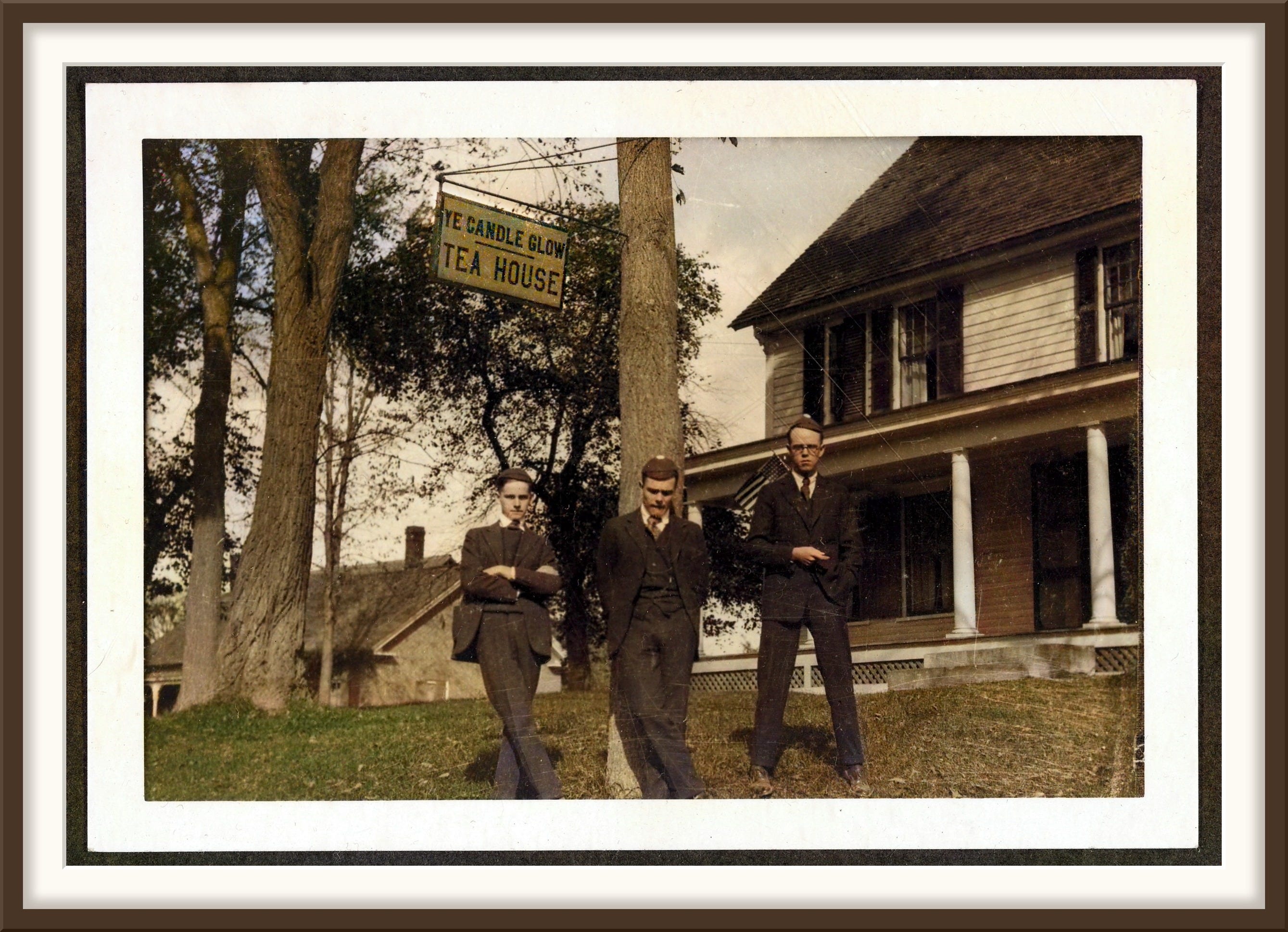
I first posted this photograph in July 2025 as a Sunday puzzle, with two menus and a long block of architectural description. Here it is again, in color, with the story I left out.
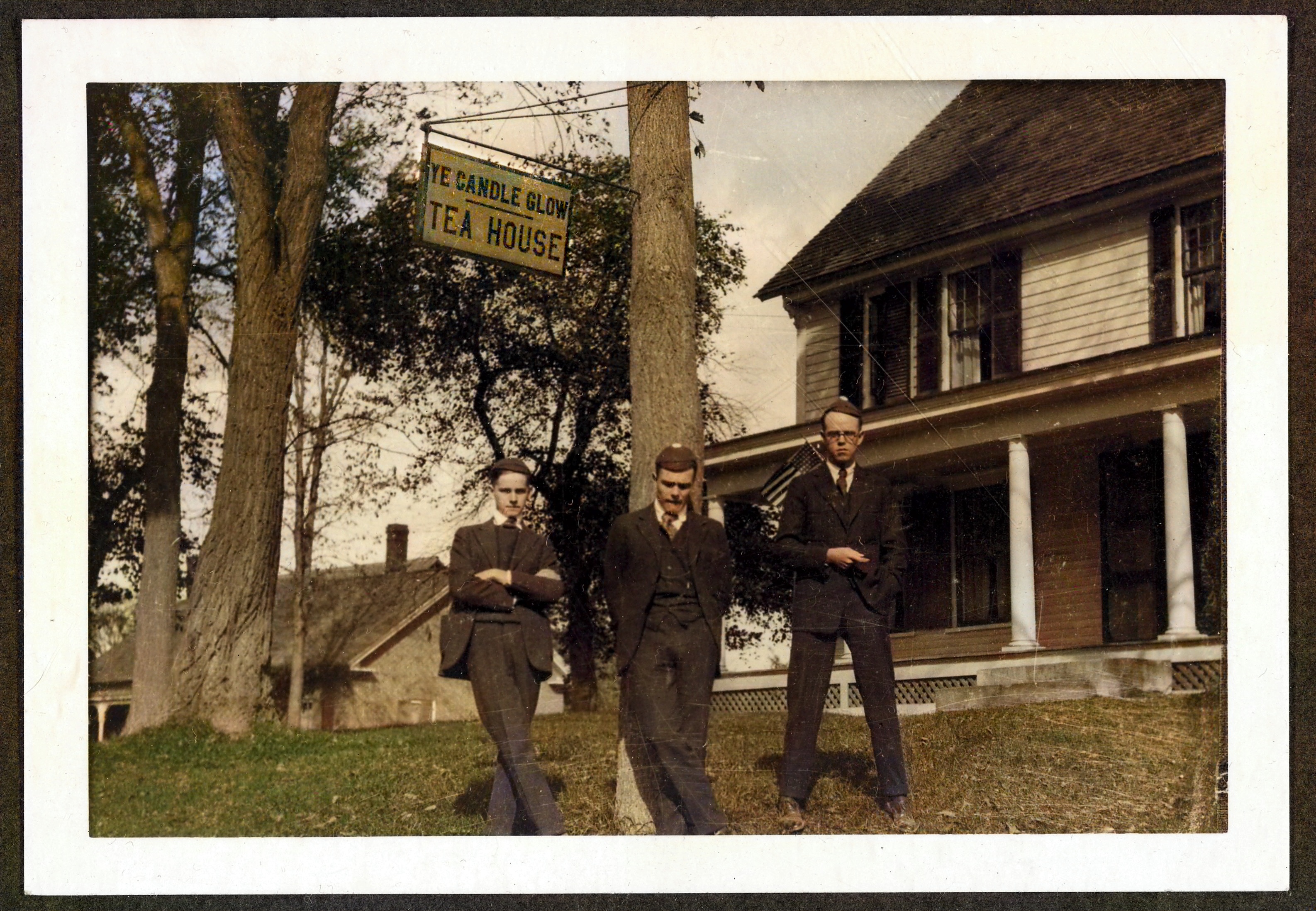
The three young men are Dartmouth freshmen, Class of 1922. They arrived in Hanover in September 1918, and freshmen had to wear the green beanie, so the picture was probably taken that school year. They are standing in front of Ye Candle Glow Tea House, on the east side of Main Street in Norwich, a little south of the green.
Captain Joseph Hatch built the house in 1773, after a few years in a log cabin across the street. It is said to be the first frame house in Norwich village. Hatch lived there until he died in 1811, and Erastus Messenger owned it for most of the later 1800s.
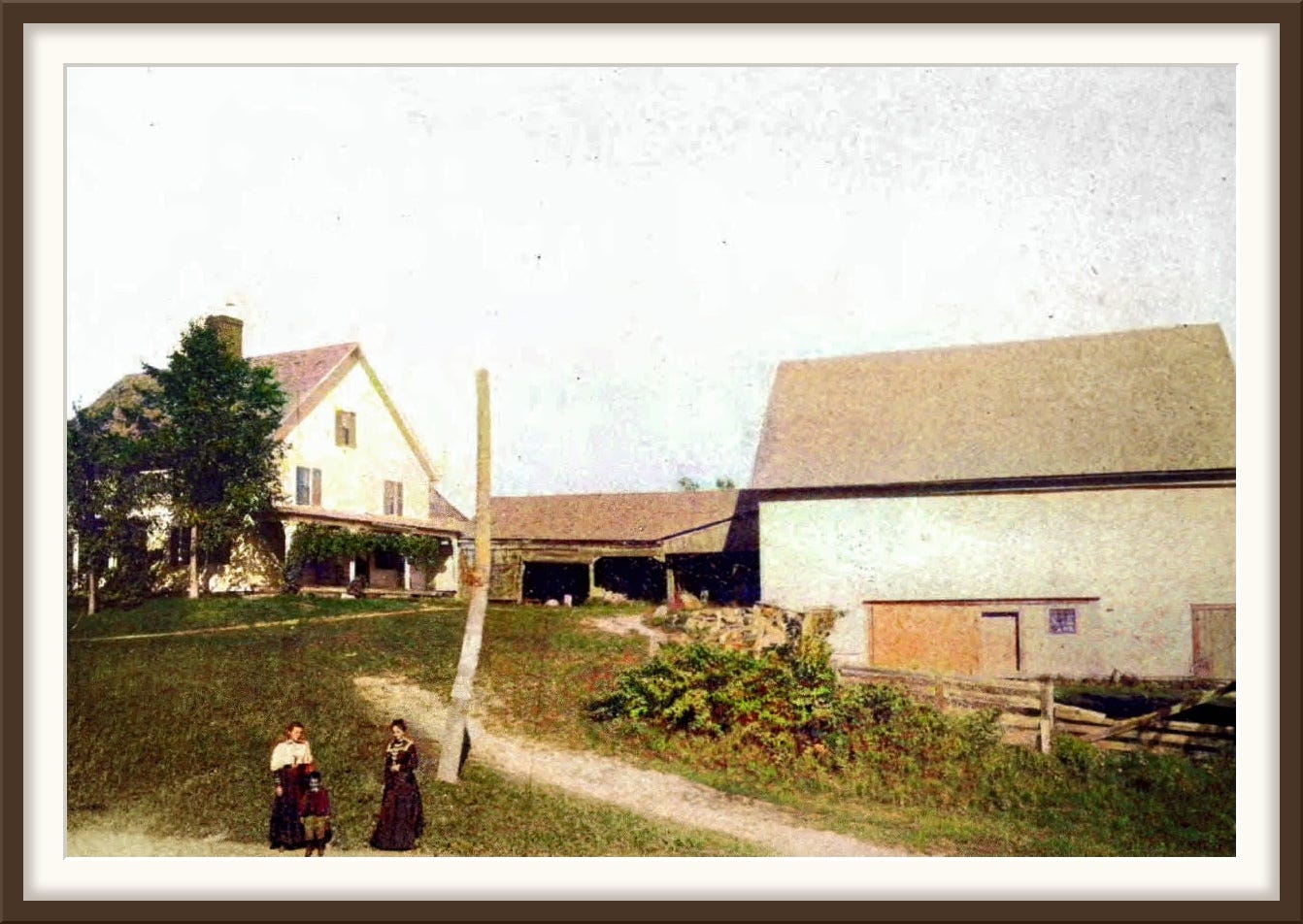
People in town have long said this house hid freedom seekers. I have not found a record of it. A few streets away the record is clearer: the Norwich Female Abolition Society met at Deacon Sylvester Morris's house on Elm Street, and his son later remembered coming downstairs one morning to find fugitives from slavery eating breakfast.
The tea house was open by January 1919, when it advertised in The Dartmouth: "Waffles Our Specialty. Tea Room Service. Birthday Spreads to Order." The waffles came with Vermont maple syrup. Dartmouth classes held reunion dinners there in 1921 and 1922. The one proprietor named in print is a Mrs. Dymock. I have not found her first name.
Tea rooms spread across New England in the 1910s and 1920s. Most were run by women, often in their own houses, and the automobile brought the customers. Norwich had its share. A 1924 Dartmouth Alumni Magazine column names the Candle Glow, the Tea Kettle, the Fireside, and Teapot Hill, kept by a Miss Nye just outside the village.
National Prohibition began in January 1920, a year after that first ad. With the saloons closed, the tea room was one of the few places left to go out, and Dartmouth noticed. In February 1924 the Alumni Magazine ran a mock temperance sermon called "The Vanished Pumps of Yesterday," the pumps being the old saloon beer taps. It warns of tea rooms "dispensing their liquid unrighteousness almost in the open," calls the Tea Kettle and the Fireside Norwich's "two sinks of iniquity," and says Mrs. Dymock "catered to the weakness of our finest men." It ends: "Scofflaw! Scofflaw! Scofflaw!"
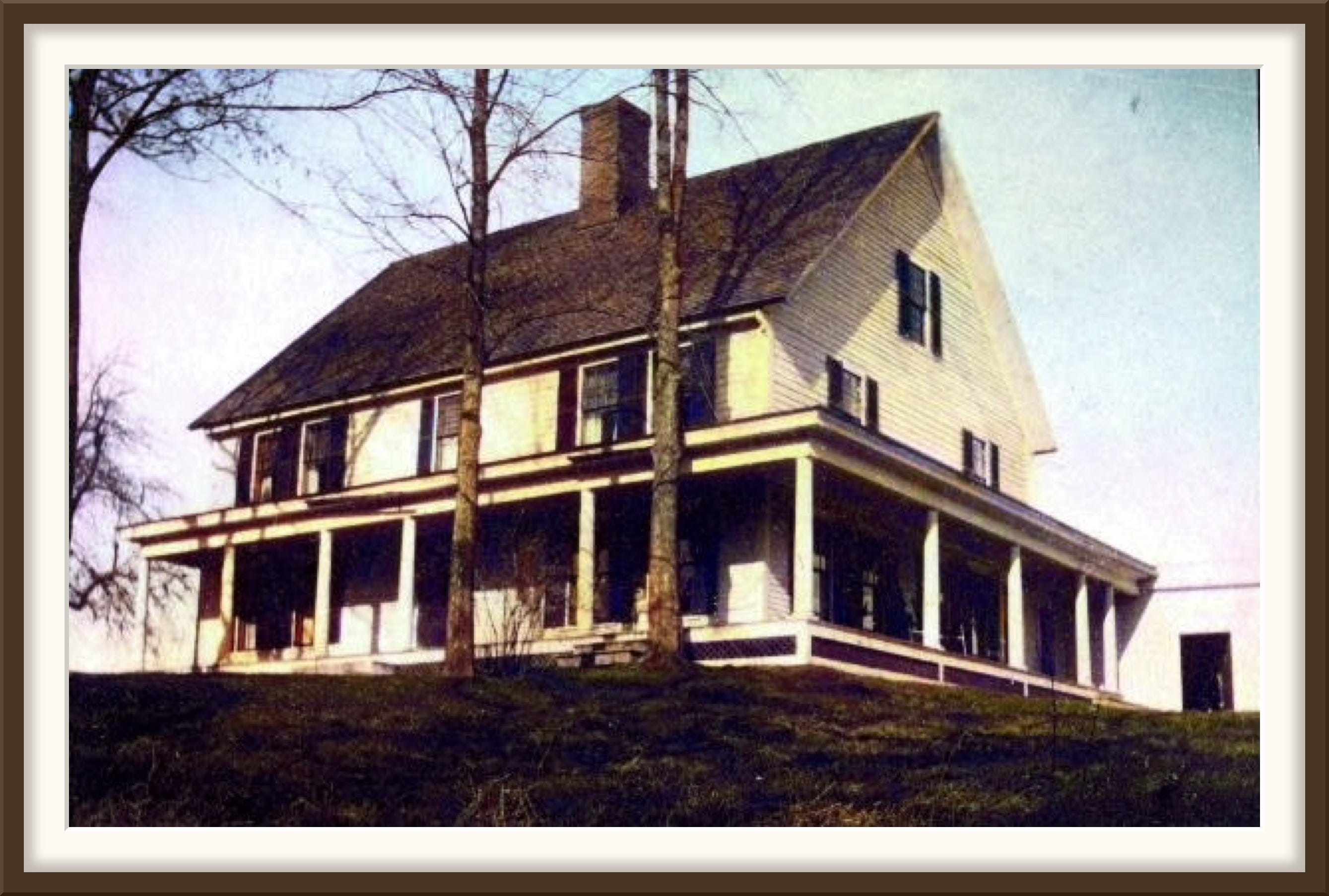
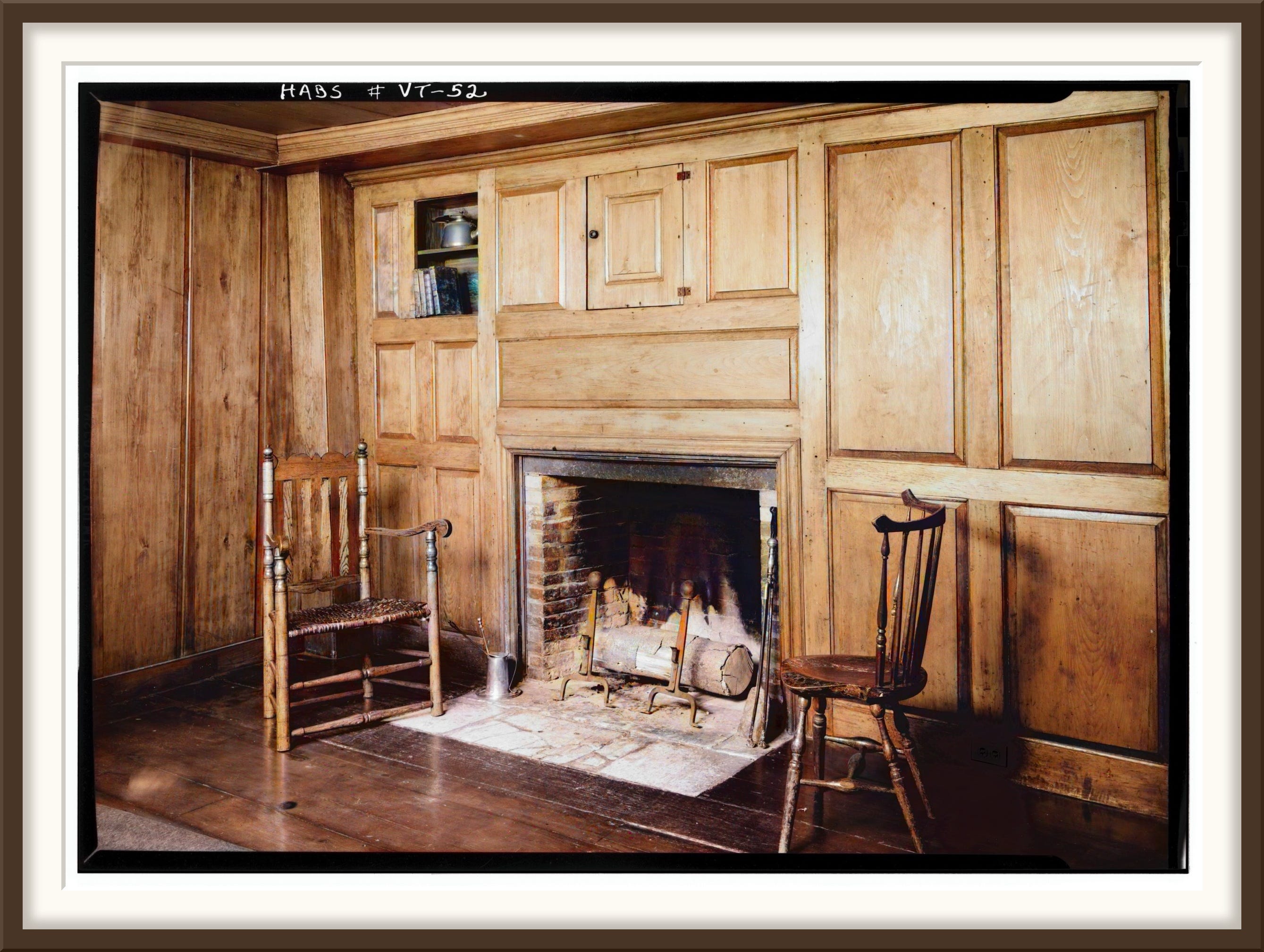
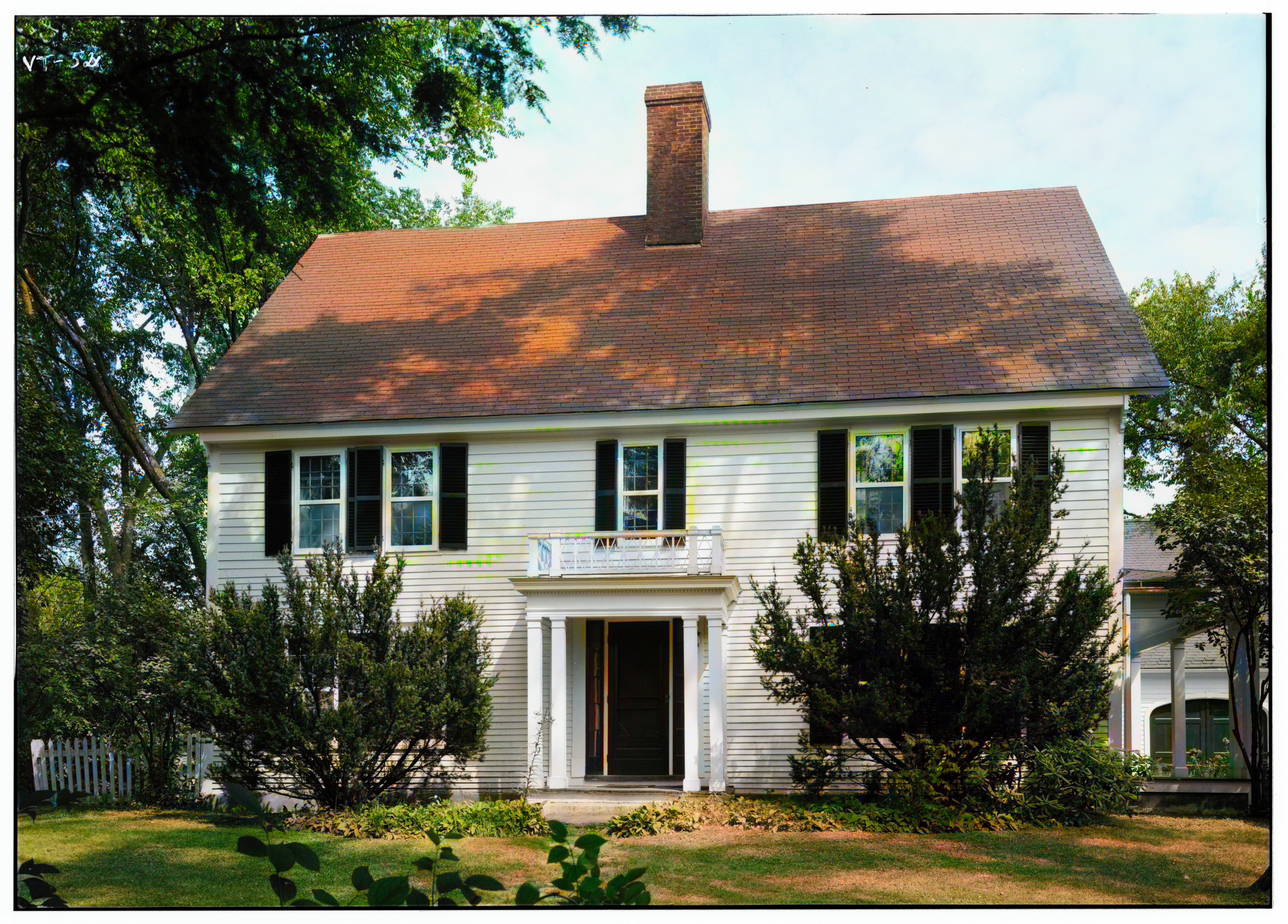
Look at the porch. It wrapped the front and side of the house on white columns. In 1931 Archibald Peisch, a professor at Dartmouth's Tuck School, bought the house, and in 1936 he replaced the big porch with the small entrance porch the house has today. Its design came from a Connecticut house built in 1773, the same year as this one.
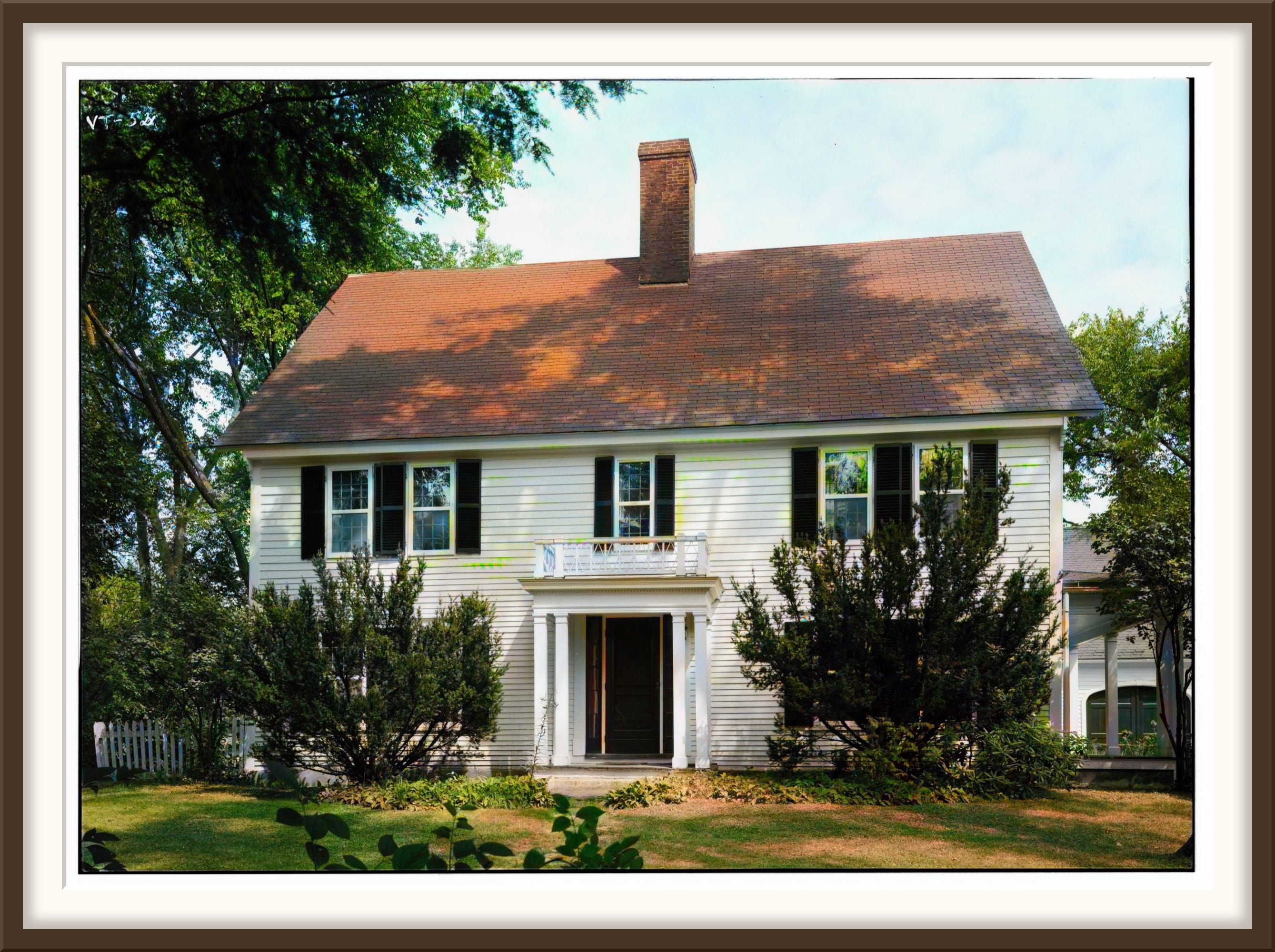
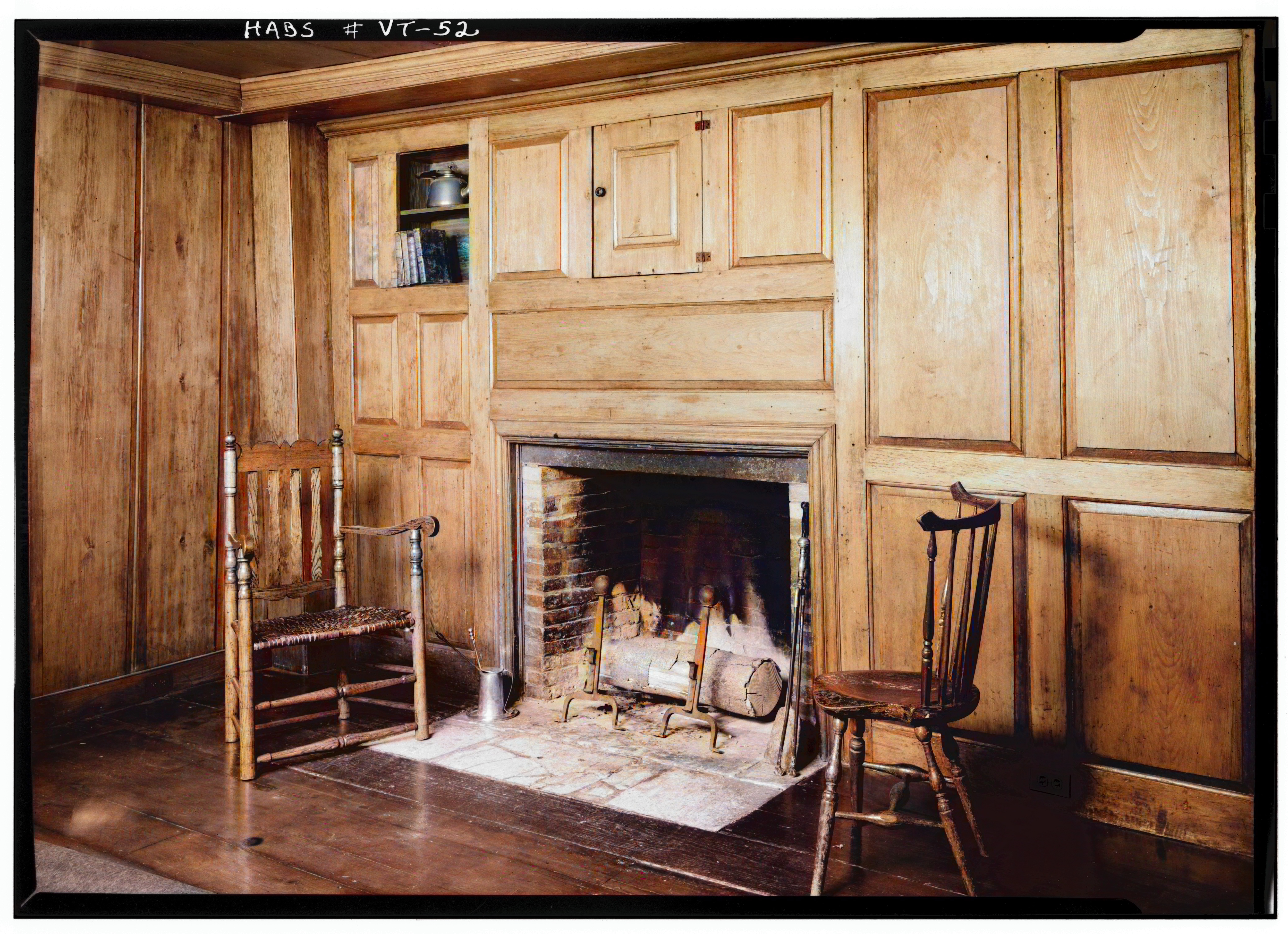
Peisch also stripped the plaster and wallpaper inside and found the original pine paneling. A 1940 Alumni Magazine note called it "one of the most beautiful panelled rooms in Vermont," in the house where students had once come for waffles.
The house still stands at 236 Main Street, with the 1936 porch.
More from Norwich


A word of thanks
To the Norwich Historical Society, whose collection holds the tea house menus and postcard, and to the Library of Congress, which keeps the Historic American Buildings Survey photographs free for anyone to use.
Full-resolution images
The Candle Glow, about 1919, in color
The Hatch house after 1936, in color
Thanks for your support, as always,
Cameron Cross
Sources
The Candle Glow snapshot, about 1919, first shown here in July 2025; postcard of the tea house, about 1920, Norwich Historical Society; the Hatch farm in the 1800s, Norwich Historical Society.
Hatch-Peisch House, HABS VT-52, Historic American Buildings Survey, Library of Congress
"The Vanished Pumps of Yesterday," Dartmouth Alumni Magazine, February 1924
"The Spirit of '21," Dartmouth Alumni Magazine, January 1940
"Hanover Browsing," Dartmouth Alumni Magazine, June 1940
Hatch-Peisch-Harwood House, Connecticut River Joint Commissions heritage survey
"The Rise of Tea Rooms," Woodstock History Center
"The Underground Railroad," by Lauren Pidgeon, Norwich Historical Society, 2021
Unfortunately, "tea house" usually doesn't sell tea nowadays...